Türkçe


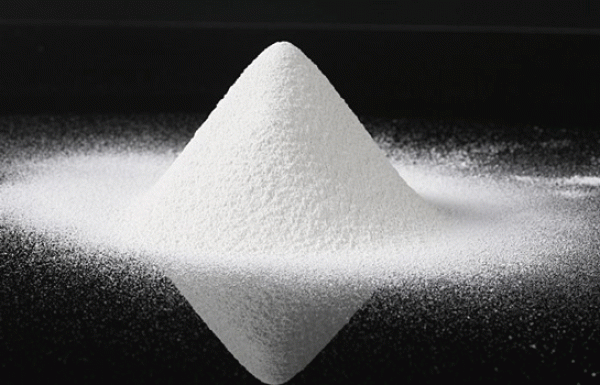

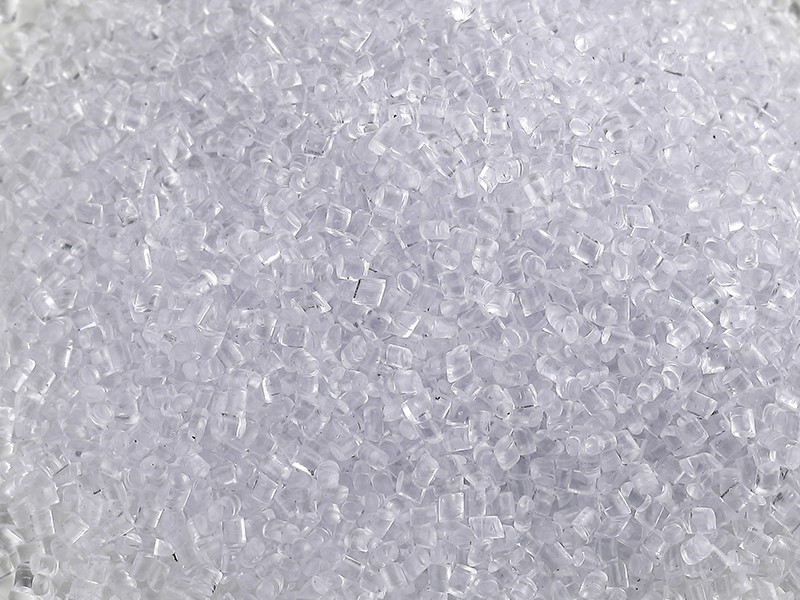

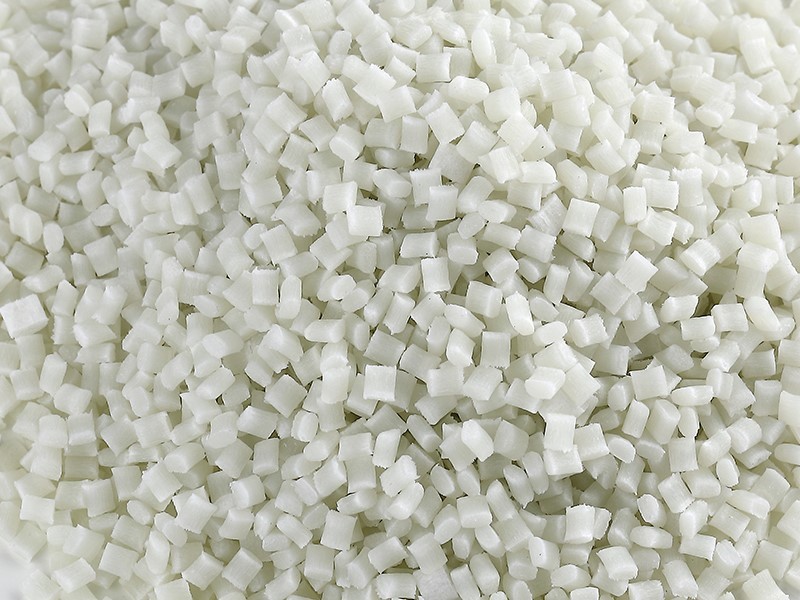
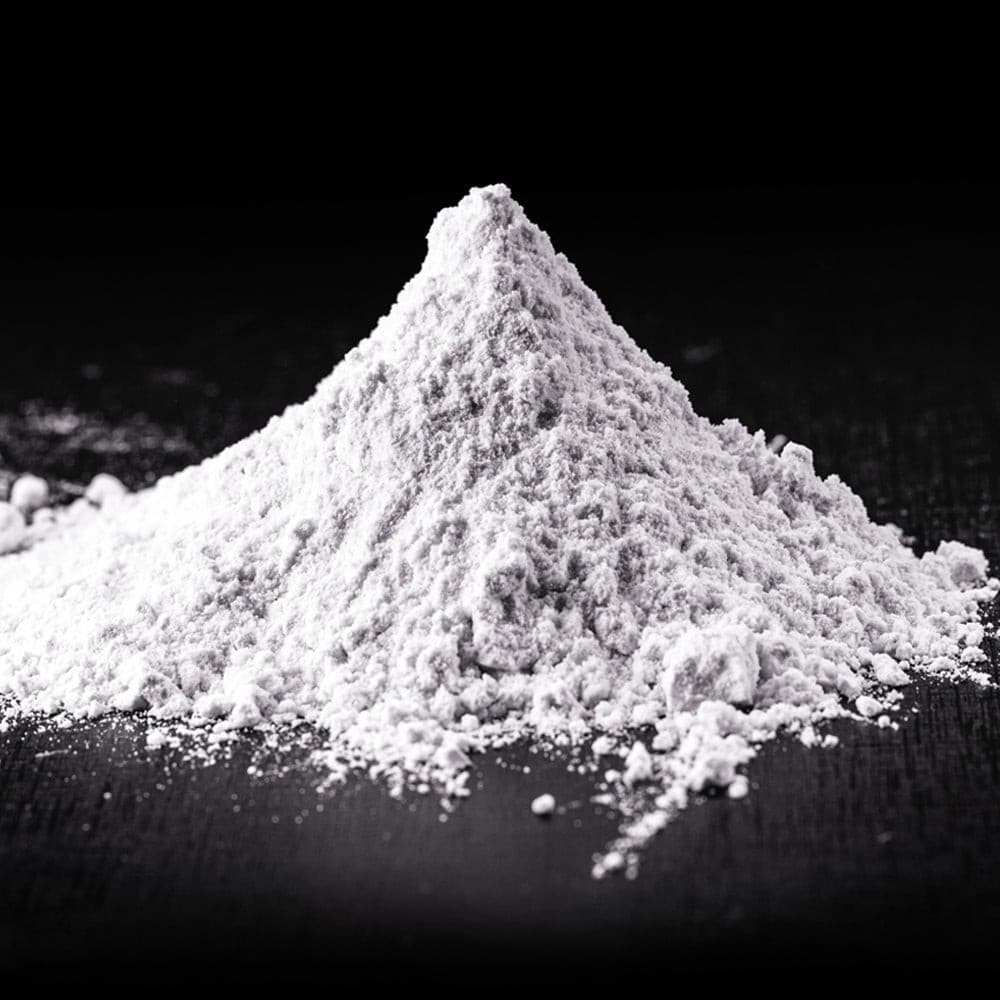
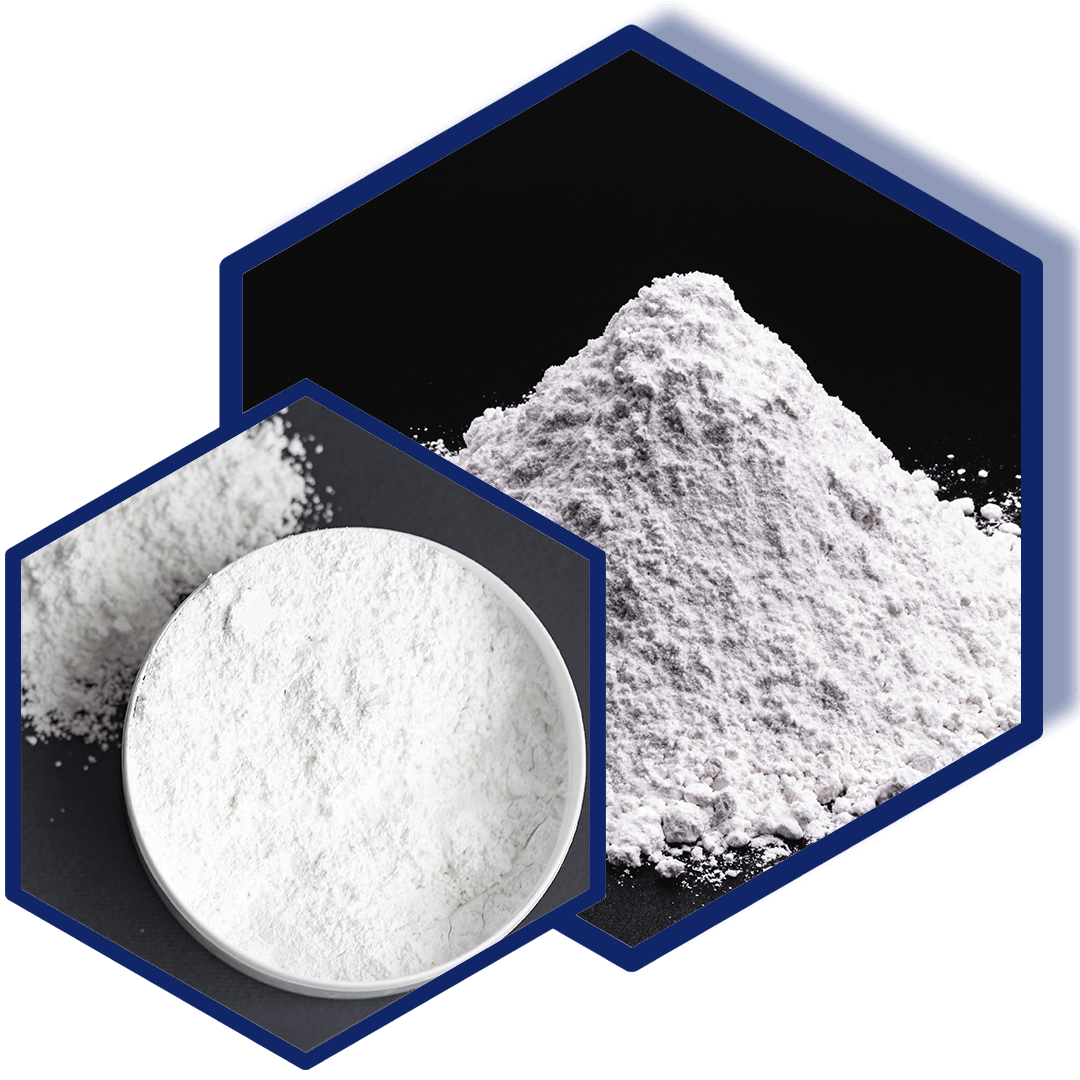
Titanium dioxide (TiO2) is a food colorant known by the food additive code E171. Titanium dioxide used as a colorant is also known as titanium white.
Crude titanium dioxide is obtained by purifying titanium tetrachlorine. This process is carried out in two types: sulfate and chlorine processes. Commercial titanium dioxide is not pure, it is a synthetic pigment. The biggest expense in paint manufacturers’ purchasing budgets is titanium dioxide. Its use is mainly in building/construction (50% of purchasing) and industrial (30% of purchasing) paints. It is less used in automotive and furniture paints.
Titanium dioxide is the most widely used white pigment in the world. Only diamonds have a higher refractive index than titanium dioxide. Refractive index is the measurement of light’s ability to bend. In this way, opacity and covering ability are provided. Only magnesium oxide is whiter than titanium dioxide. But the refractive index of this substance is much lower than titanium dioxide. This means much more magnesium oxide is required to achieve the desired opacity. Therefore in practice, titanium dioxide is preferred.
In addition to its use as a food colorant, it is also used in the production of paint and suntan lotion.
It is widely used because it effectively scatters visible light and gives whiteness, brightness and opacity to paints and coatings.
In the food industry, titanium dioxide is used in many white products, especially confectionery, chewing gum, baking powder, and white roasted chickpeas.
Titanium dioxide’s most important function is as a pigment, in both paint and coating, plastic, paper, ink, fiber, medicine (in pills and tablets), food and cosmetic products; It provides brightness, whiteness and dullness.
Thanks to this feature, titanium dioxide is used as a white color for surface coating, to separate layers in products and as a whitening agent in toothpaste.
Titanium dioxide is a mineral that is also used in cosmetics as a thickener, whitener, lubricant and sun blocker.
It protects the skin from UVA and UVB radiation and has no risk of irritating the skin. The most common known use of the catalytic effect of light, that is, photocatalysis, is the cleaning of environmental pollution. Thus, when light and suitable materials are brought together, the cleaning process occurs automatically.
During the day, the UV radiation around us is approximately one milliwatt per square centimeter. In the light we use inside buildings, this rate drops to one in a thousand. At this rate, when even UV radiation comes together with titanium dioxide in the appropriate structure, the cleaning process begins. However, the structures of titanium dioxide used for photocatalytic effect and those used in the paint, cosmetics and food industries are different. The photocatalytic effect of titanium dioxide occurs when it comes into contact with light and breaks down the organics it comes into contact with. When used in a positive sense, this means eliminating unwanted organics (dirt, germs, bacteria, odors and harmful organic chemicals) in the air, water and on various surfaces around us.