Türkçe




Why
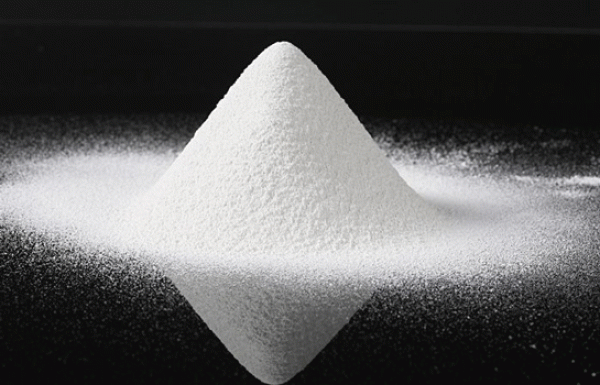
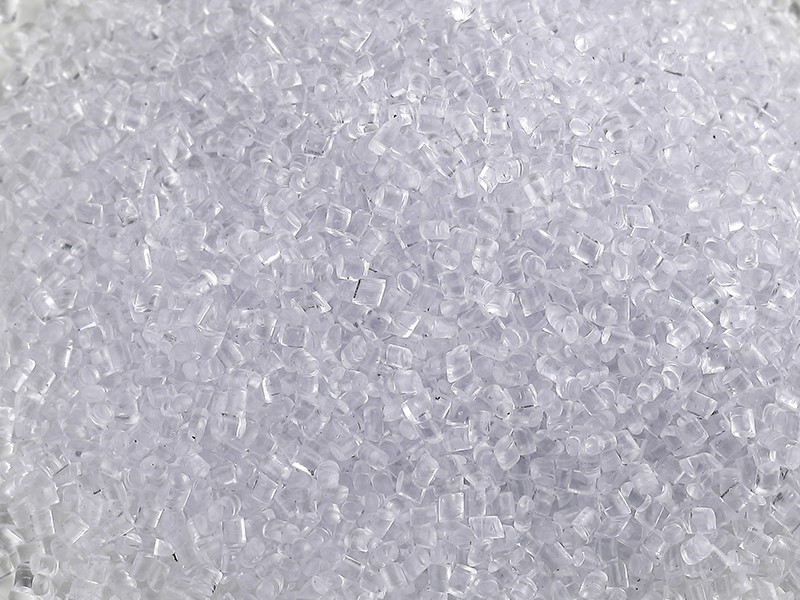
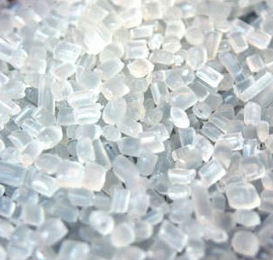
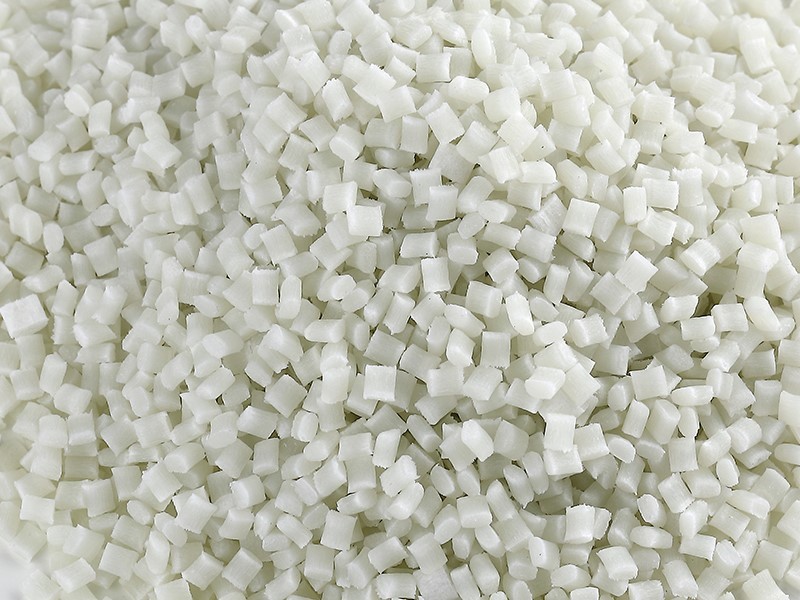
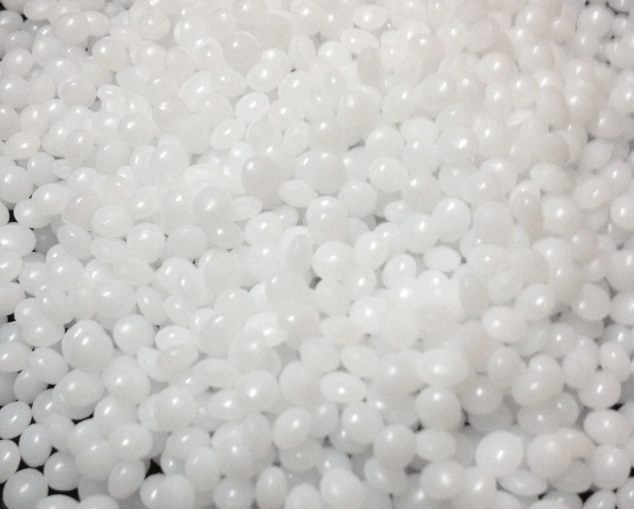
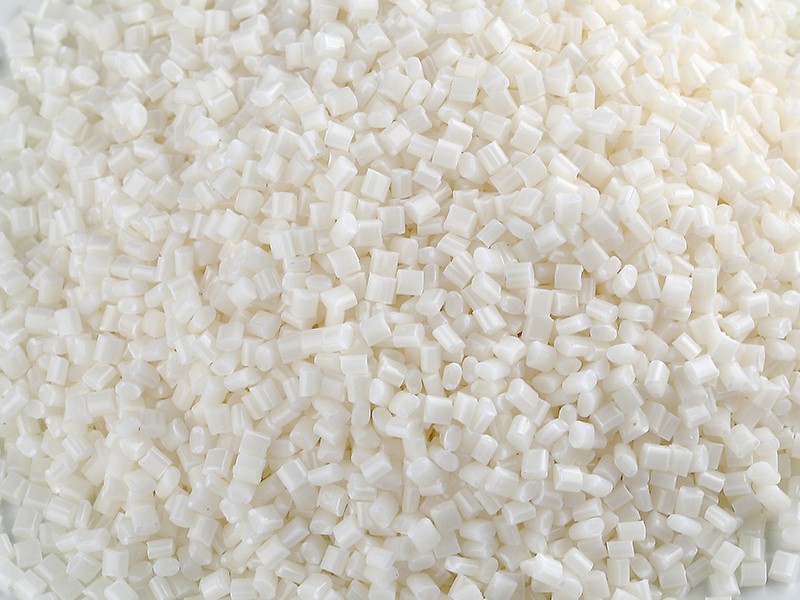
ABS is a terpolymer synthesized by the polymerization of acrylonitrile and styrene monomers alongside polybutadiene.
History
Acrylonitrile Butadiene Styrene has been used since the 1940s. Its increased toughness to styrene has made it suitable for most applications, but its attendant limitations have led to the use of rubber (butadiene) as a third monomer. Thus, the material combination commonly known as ABS plastics emerged. This material gained a foothold on the market in 1950, and ABS has become the most widely used engineering polymer, thanks to the diversity and easy processability of these copolymers.
Features
ABS is the most popular plastic material and an indispensable part of our daily lives due to some of its superior qualities:
– Flexible design
– Excellent surface quality
– Bright and deep colors
– Interesting feel and touch
– Dimensional stability
– Chemical resistance
– Impact resistance
Nowadays, ABS, a versatile material, has become a part of modern life in almost all markets.
Usage areas
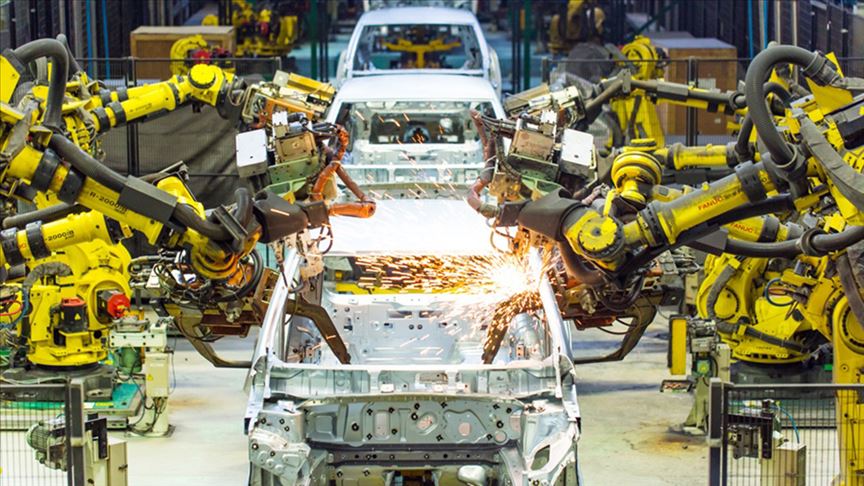
AUTOMOTIVE
– Interior Parts and Trim Parts
– Mirrors
– Automotive Headlights and Stop Signal Lamps
– Radiator Grille
– Seats
– Door Handles etc.
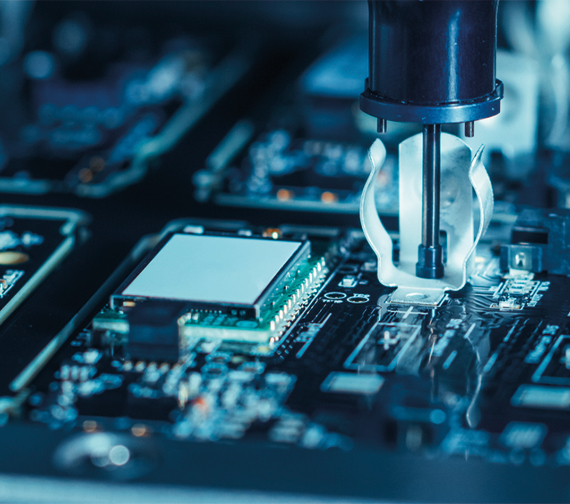
VARIOUS
– Electronic stuff
– Office Machines body
– Toys
– Protective Helmets
– Textile Bobbins
– Kitchenware
– Cosmetics
– Display and Stand Products
– Door and Window Accessories
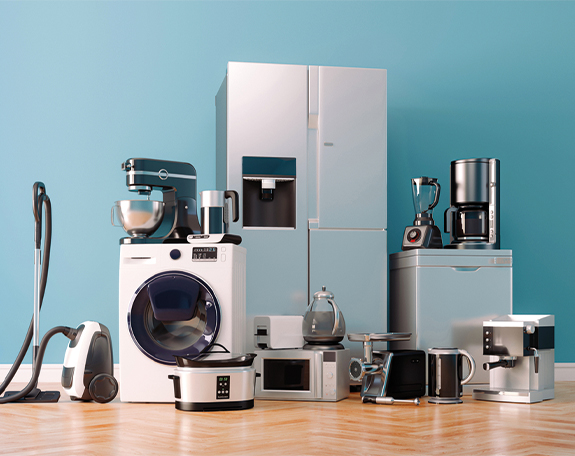
HOUSEHOLD APPLIANCES
Refrigerator door assembly,
Washing Machine Front Cover
Dashboards
blender