Türkçe


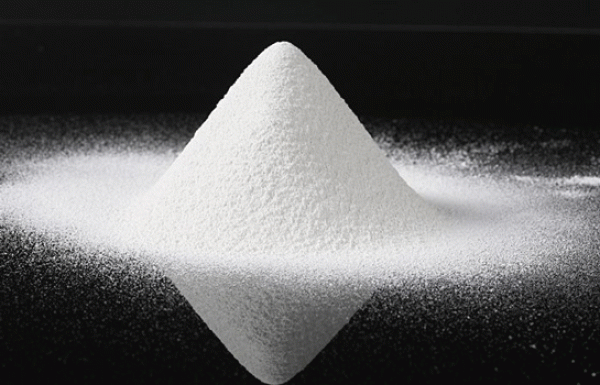

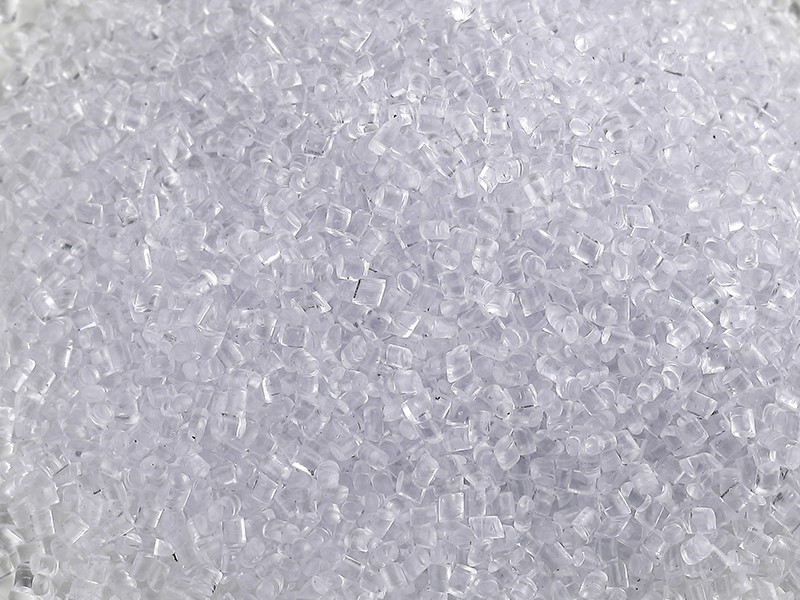

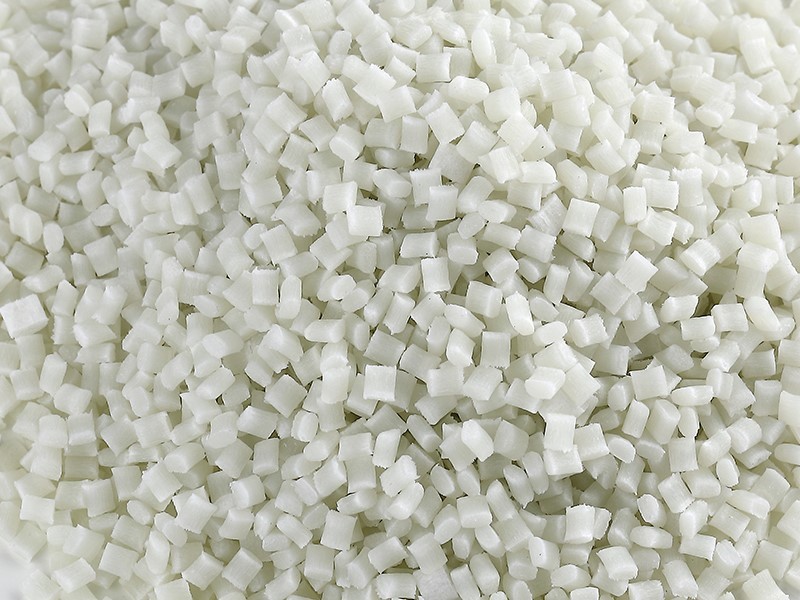
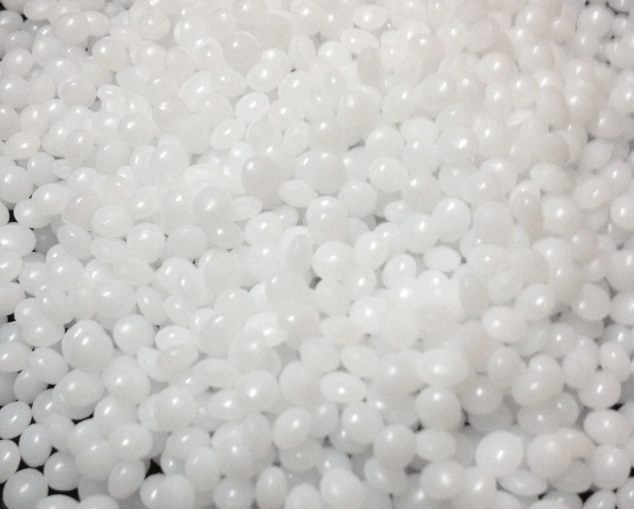

POM, also known as acetal, polyacetal and polyformaldehyde, is an engineering thermoplastic used in precision parts requiring high hardness, low friction and excellent dimensional stability. As a durable, solvent- and flame-resistant plastic, it is used in gears, housings, window guides, speaker grills, zippers, lighters, aerosol valves, seat belts and furniture components.
Processing Techniques
The most common forming processes for polyacetal are injection molding and extrusion (sheets and rods), but blow molding and rotational molding are also possible.
History
It was discovered by German Chemist Herman Staudinger. After its discovery, the polymer did not gain commercial availability due to thermal stability problems.
In the 1960s, DuPont commercialized POM production under the Delrin brand. A few years later, the US company Celanese began selling its own POM under the name Celcon. A year later, the German chemical company Hoechst also started producing polyacetal under the Hostaform brand.
Later, the Celanese company, a joint venture between Celanese and Hoechst, became the world’s largest producer of acetals. Celanese (part of the Celanese company), which has opened a new POM factory in the Hoechst Industrial Park near Frankfurt, is still the largest manufacturer in the world.
Features
Hardness
Toughness (Even at Low Temperatures)
Aging Resistance
Creep Strength
Spring Feature
Dimensional Stability
Anti-Static Feature
Chemical Resistance
Low Coefficient of Friction and Wear Resistance
Compliance with Food Regulations
Product Feature in Bright Colors
Varieties
Homopolymer POM
Copolymer POM
Usage areas
AUTOMOTIVE
Fuel components
door locks
Buttons and handles
Clips
HOUSEHOLD APPLIANCES
Gears
Rotating parts
VARIOUS
Conveyor belts
Lighters
Plumbing Parts
TEXTILE
Zipper (as Bone Raw Material)
In Textile Machinery Spare Parts
Shuttle Parts