
 Türkçe








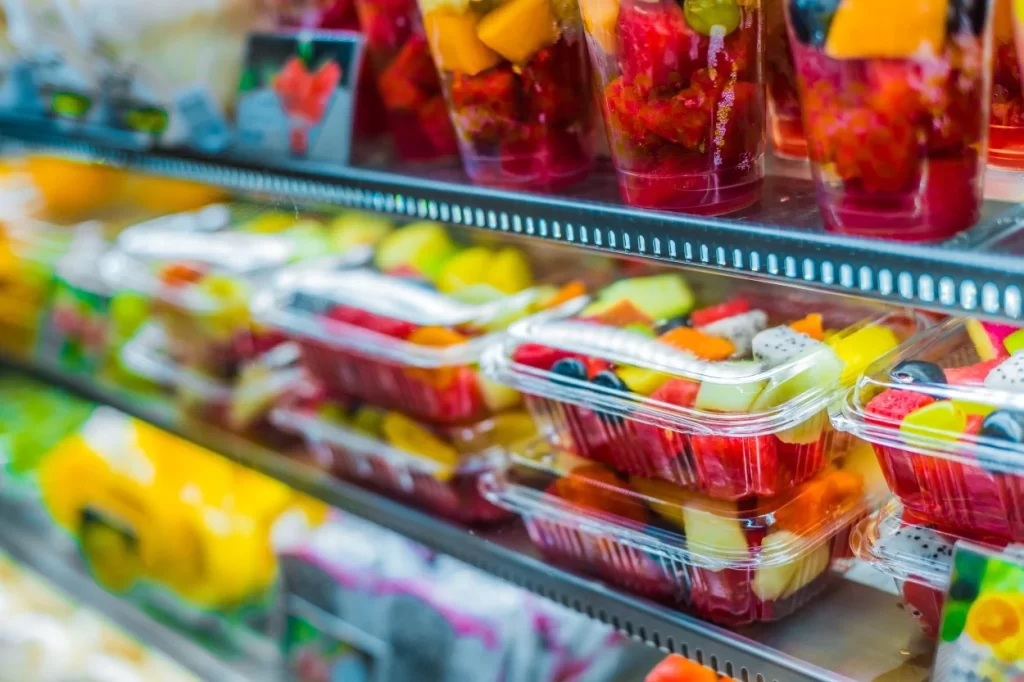
Just know that the flexible packaging market size is expected to reach $200.5 billion by 2025, with a compound annual growth rate of 4.50% in the period 2022-2025. the primary beneficiary of this epidemic.
In this article, we will help you improve your flexible packaging performance step by step, starting with choosing the perfect raw materials for your food applications. You can also find answers to all the questions below:
What is the secret to shifting the packaging industry towards flexible packaging?
What are the different food packaging functions?
How to choose the most suitable material for each Function?
How do you protect your food products from damage and environmental influences (moisture, temperature changes – light)?
What grades do GAP Polymers recommend for your food application?
1. Why are flexible packaging for food products changing the packaging industry?
There is no single secret behind this change; The main reason for this is that technology changes rapidly. Therefore, customers are looking for technological innovations and reasonable economy.
Flexible packaging has achieved this difficult equation; Let’s explore how flexible packaging is best suited for food packaging.
Food flexible packaging offers many advantages for the food industry, such as:
environmentally friendly
Flexible packaging goes hand in hand with sustainability. It requires less energy and less water for the production process. For this reason, it has become preferable to rigid packaging.
Longer shelf life
This type of packaging is resistant to moisture and heat. It also has excellent barrier properties. These properties can extend shelf life as they keep out UV rays and toxins. These are not the only advantages of flexible packaging, which leads us to the next question:
2. What are the different food packaging functions?
Food packaging has many functions. Take a look at these:
Protection and Storage
The first function of packaging is to prevent food damage and reduce chemical changes.
Limitation
The main purpose of packaging is to preserve the physical form of the product. It also includes maintaining the integrity of the product throughout the entire process, from filling and sealing to transportation.
Combining
Here, you aim to group individual products into a single unit to easily distribute and market and make it easier for customers to purchase. This reduces the number of operations during the deployment process.
Information and Branding
Packaging is considered the main communication tool between the brand and its customers. Therefore, you should choose the type of packaging that can help customers learn more about the brand and product information such as ingredients.
Cost effectiveness
The aim is not only to preserve food products, but to preserve them at the most affordable cost possible. You should consider meeting the demands of consumers and the needs of the industry.
3. How to choose the most suitable material for each Function?
Flexible packaging meets a wide range of packaging core functions and offers many benefits such as:
Personalization and creative designs
The material used in flexible packaging allows manufacturers to create innovative packaging designs. This advantage can increase the marketing value of companies. We can say that the principle of “thinking outside the box” coincides with flexible packaging.
Production efficiency
Flexible packaging saves more materials than rigid traditional packaging. It also saves the energy consumed by the machine.
optimum quality
With flexible packaging, you can adapt the material to your needs and product specifications without affecting quality.
4. How do you choose the most suitable material for your flexible packaging product?
Choosing the right material for your project is really important. Therefore, you need to consider many variables when choosing the material:
Selecting the appropriate material type for the product from a wide variety of flexible packaging material types such as:
wraps
roll stock
Bags
Shirts
You must be specific about the cost of the material.
Environmental impact is also an important variable to consider.
You should also consider labeling and printing on your products.
5. How do you protect your food products from damage and environmental impacts?
You can prevent harmful UV rays by choosing the right plastic raw material. You will also protect your product from moisture, oil, contamination, oxygen and oil.
You can also increase the shelf life of your products with flexible packaging.
6- What are the qualities recommended by GAP Polymers for your food application?
When it comes to flexible packaging you will find yourself choosing between certain materials such as Polyethylene, Polypropylene, polystyrene and Polyvinyl chloride. GAP Polymers will improve the selection process for you.