
 Türkçe


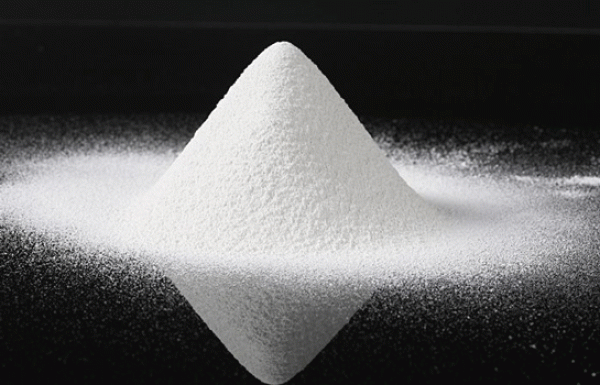

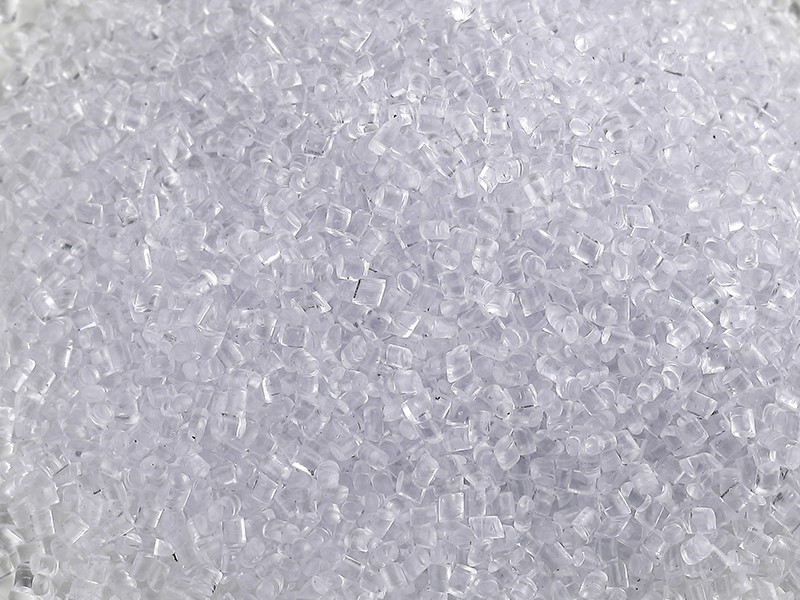

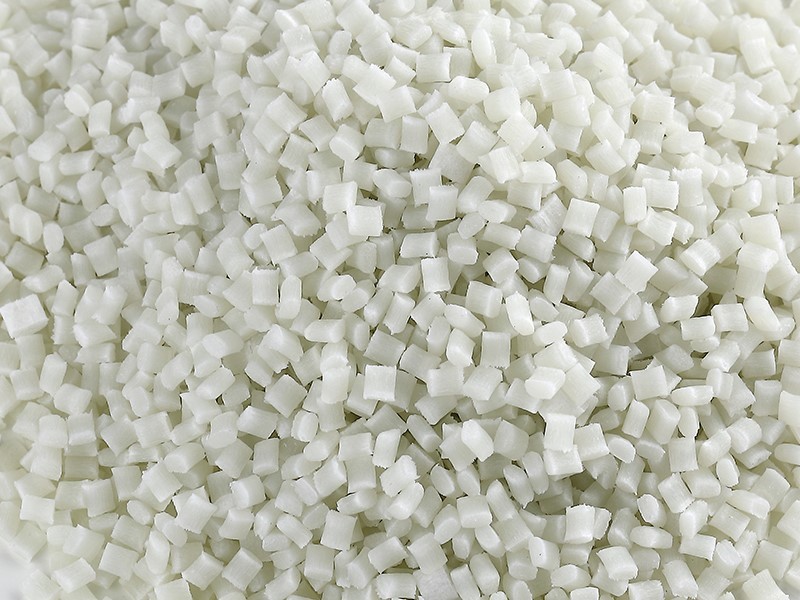







The density of plastic is one of the main factors that directly affects the processing of polymers. By determining the density you will be able to understand your data sheet perfectly. Therefore, in this article we will cover all issues related to plastic material density with some questions:
What is the density of plastic?
Why is plastic density so important?
How can you calculate plastic density?
How to reduce the plastic density of plastic material?
Comprehensive guide to density values of various plastic raw materials.
Dig deeper to learn more about the secrets of plastic density, we will cover the most important question about plastic density, let’s get started!
1. What is plastic density and how is it determined?
Plastic density is obtained by dividing the total mass of the material by the total volume of the material. So the density is 1 kilogram per cubic meter or 1 gram per cubic meter.
D=M/V ___ Density=Mass/Volume
You have two options to determine the density of plastic materials. The first is testing solid plastic in water, and the second is testing solid plastic in a liquid other than water. The first choice is the more common test that can be done with plastic sheets.
2. Why is it so important to know plastic raw material density?
As we mentioned, material density measures mass per unit volume. It can play a very important role in the production process. But do you know that you can save on storage costs by determining the right density?
The importance of density stems from the fact that processors often measure efficiency based on the weight of materials.
3. What is bulk density and how can it help you?
You also need to be aware of mass densities. Different materials have different bulk densities. Therefore, mass density is extremely critical.
The bulk density of plastic materials is the weight of the material relative to its specific volume. You can express mass density as grams per cubic centimeter (g/cc), pounds per cubic foot (b/cu ft), and Kilograms per liter (KG/L).
For example, if you want to determine the bulk density of PET Material, the density of virgin PET is different from PET sheets.
Bulk density plays the biggest role when it comes to drying processes. To choose the correct temperature range for the material’s residence time, you must first determine the weight of the materials.
4. How does mass density affect material flow?
It’s not just about the drying process, bulk density also affects material flow. Let’s take some examples to see how:
Plastic material with lower bulk density requires more receiver cycles. This affects the material handling efficiency to achieve higher production.
Plastic flake lightweight materials such as PE, PP and reground PET do not flow very well. Since such materials cannot flow easily, they will stick to the Equipment. This is where the role of streaming features testing comes into play to know when to add streaming improvements. You can choose from many flow improvements, such as mechanical mixing and compressed air discs.
5. What is the difference between plastic density and specific gravity?
As we mentioned, density is the mass per unit volume under normal pressure and normal temperature. When it comes to specific gravity, it presents a certain value of the material under normal pressure and temperature.
The main difference between them is that you cannot measure specific gravity because there are no units of measurement.
You can measure the specific density of a plastic material by dividing the density of the object by the density of water.
6. How to reduce the plastic density of plastic material?
In most cases, you will need to reduce the plastic density of the plastic material to suit your application. That’s why we collected these methods for you:
Foaming: You can reduce density by foam molding. It is considered the most effective way as you can add light ingredients and blend them. With this method, you can reduce the intensity by 50%.
Blending Resins: Adding low density blends such as ABS (ACRYLONITRILE BUTADIENE STYRENE)/PP and PE is another way to reduce density.
Adding light fillers: You can reduce the intensity slightly by adding light fillers such as PP, PE, AND CPE (Chlorinated polyethylene).
7. How can you determine the density of the main 7 main types of plastic?
GAP Polymers offers you this table below, which includes 7 main plastic densities, normally expressed in g/cm3, calculated by dividing the mass of the material by its volume.