
 Türkçe









It is widely known that the cost of Expanded Polystyrene (XPS) is lower than Extruded Polystyrene (EPS). It’s not all about cost when choosing the right material for your project. Are you ready to get one step closer to choosing the perfect one for you? Thanks to this article, you will learn the answers to all the questions you may have:
What are the main differences between expanded polystyrene (XPS) and extruded polystyrene (EPS)?
What are the advantages and disadvantages of each of XPS and EPS?
What are common applications for each?
What are the main applications for XPS and EPS?
How can you maximize the benefits of using PS in food packaging?
Lets start.
What are the main differences between (EPS) and (XPS)?
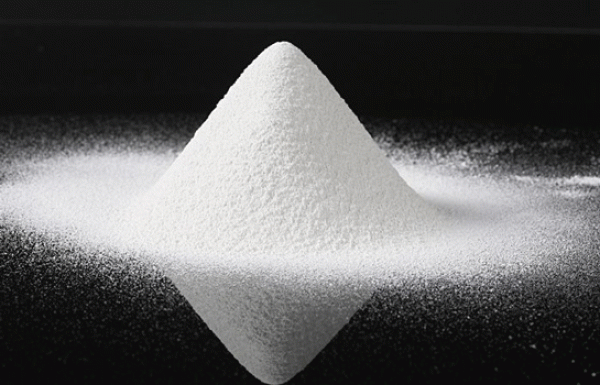
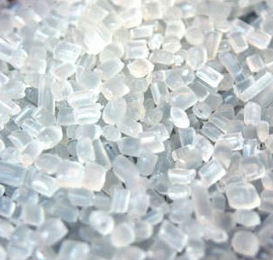
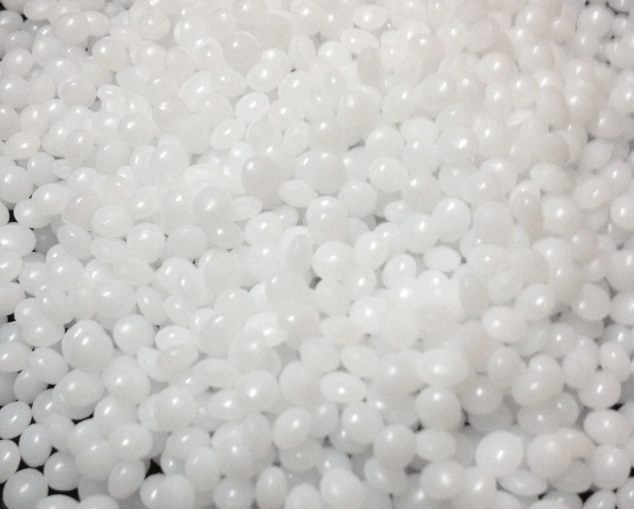
Expanded polystyrene is considered one of the thermoplastic foam materials. Made from solid PS (polystyrene) beads.
The main process of XPS production is “gas expansion”. The gas is trapped by heating inside the PS beads. It is worth noting that the environmental impact of XPS production is low.
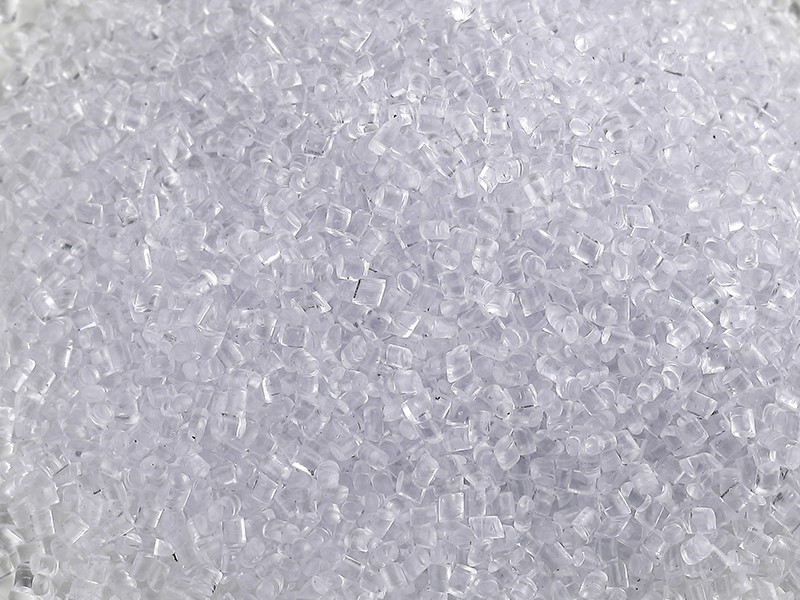
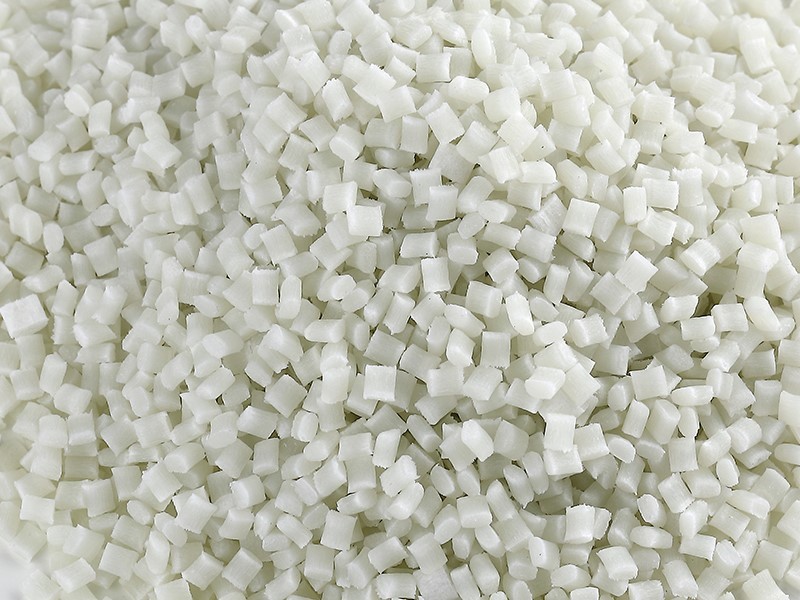
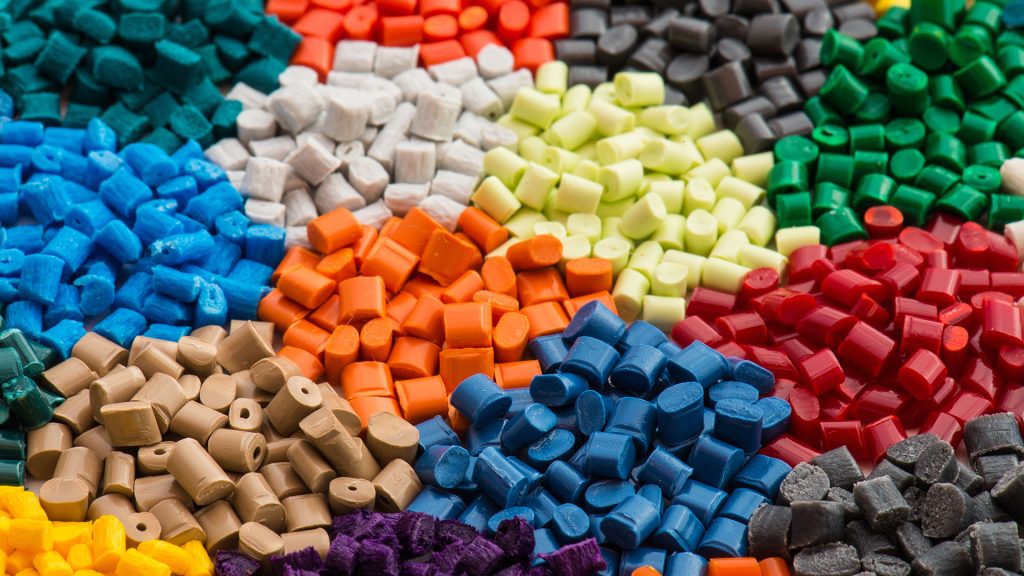
Extruded polystyrene is a foam material produced from solid PS crystals.
Regarding the manufacturing process, EPS is produced by extruding a thick, hot PS crystal liquid.
Therefore, the critical difference is that expanded PS is produced from solid beads, whereas extruded PS is produced from solid polystyrene crystals.
When it comes to density, extruded polystyrene is denser than expanded polystyrene.
XPS Density: 2.18 lbs.
EPS Density: 0.93 lbs.
What are the advantages and disadvantages of each of EPS and XPS?
Expanded Polystyrene:
Expanded polystyrene has many advantages to consider:
It is light; Almost 98% of this material is air.
EPS transportation is cost-effective.
It is hard and has a closed cell structure.
It has excellent thermal insulation.
Disadvantages of EPS:
It is flammable.
It has health concerns, especially when used for food packaging.
It has no resistance to organic solvents.
Extruded Polystyrene:
You can trust XPS because XPS has many advantages:
XPS blends melt under controlled conditions, such as pressure from high temperatures.
It can be easily shaped into any desired shape.
It has an extraordinarily smooth skin and closed cell structure.
It has excellent resistance to moisture.
Can be stored outdoors.
It has superior chemical resistance.
Cons of XPS:
It is a less environmentally friendly insulator.
The main reason for this is the chemical process required during the production of this material.
XPS is not the most affordable insulator on the market.
What are the main applications for XPS and EPS?
The most common applications of extruded polystyrene (XPS) are:
Constructions
Engineering applications
Refrigeration and cold rooms
As insulation for homes and commercial applications.
Here are the extended PS applications; These are the most common EPS products:
Walls, floors and roofs
Food packaging products such as cups, containers and food trays
building construction
helmets
Chairs
How can you maximize the benefits of using PS in food packaging?
PS has many properties that make it perfect for food packaging:
It is FDA approved.
Most PS containers can be recycled.