
 Türkçe




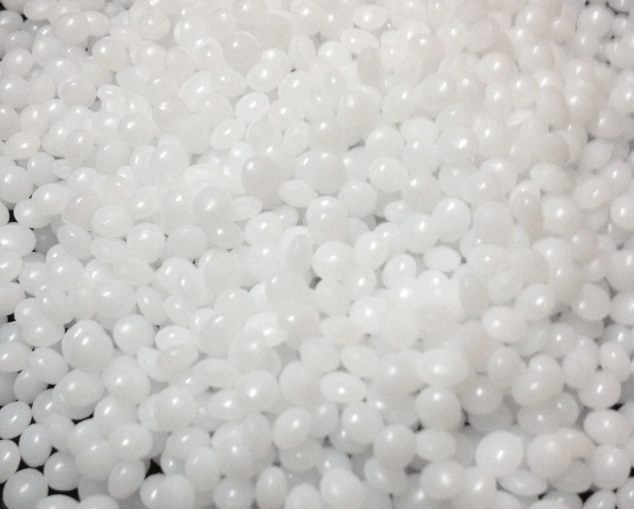




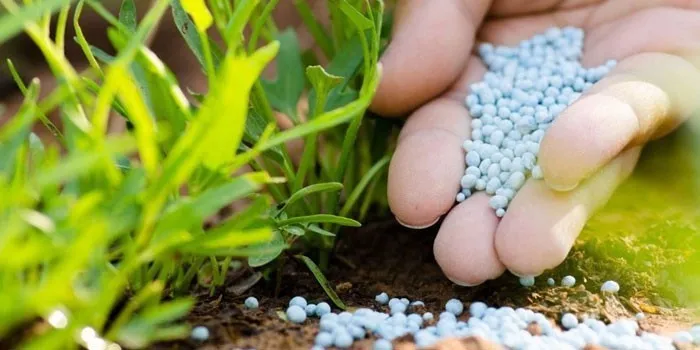

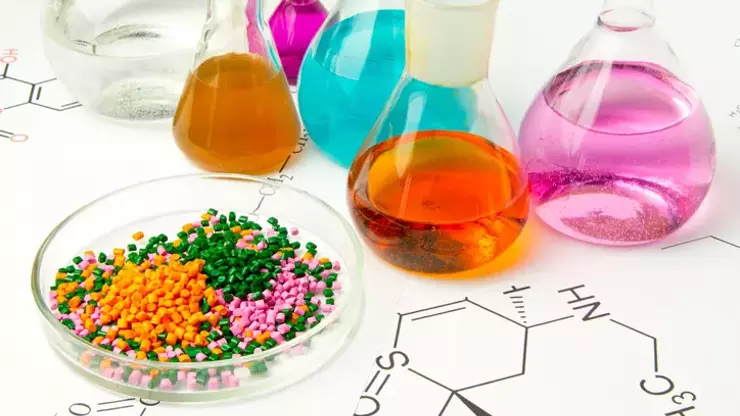
Food and beverage, pet food, healthcare products, cosmetics, agricultural products and kitchen supplies. Plastic bags are used for storing, packaging and transporting all these products.
The global flexible bags market size is expected to grow at a CAGR of 5.5% during the forecast period (2020-2028). The market was valued at almost $37 billion.
In this article we will explore why this market is growing so fast, as well as:
Why have plastic bags become the first choice for consumers and manufacturers?
What are the best plastic materials for bag production?
What industries are dependent on plastic bags?
How do you choose the perfect pouch for your packaging needs?
What are the different types of plastic bags?
How to buy the best quality plastic bags?
1- Why have flexible bags become the first choice for consumers and manufacturers?
Flexible bags are a flexible packaging solution with many advantages. Nowadays, they are widely used for many reasons such as busy lifestyles and the increasing number of working individuals. This is leading people to rely more on Ready-to-Eat (RTE) meals that use pouches.
End-user companies are now focusing on sustainable packaging solutions. Awareness is also increasing among consumers about sustainability.
The second main factor for companies is that bag material production consumes less material, less energy and less water.
Plastic bags are also more attractive to consumers. Pouches have become a marketing tool that attracts more customers. They can be easily printed to become the first choice on supermarket shelves.
2- What are the best plastic materials for bag production?
Plastic materials are the winners in bag production. They alone account for 64% of the revenue share in 2020. Here are the main reasons:
Plastic bags extend the shelf life of products as they preserve the freshness of food for a long time.
They have strong resistance to dust, oxygen, UV light and moisture.
Durability is also the main factor that makes plastic the perfect material.
Plastic materials are low-cost materials.
Now the question is: Which plastic raw material is best for bag production?
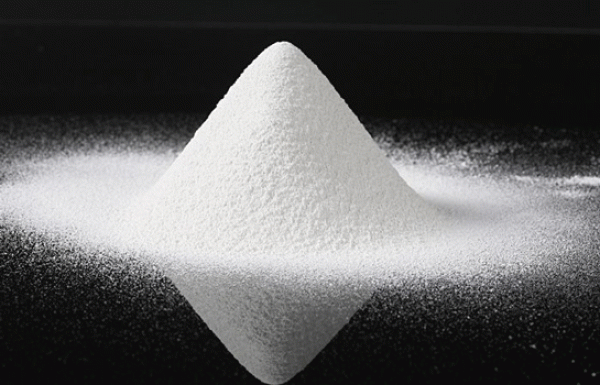
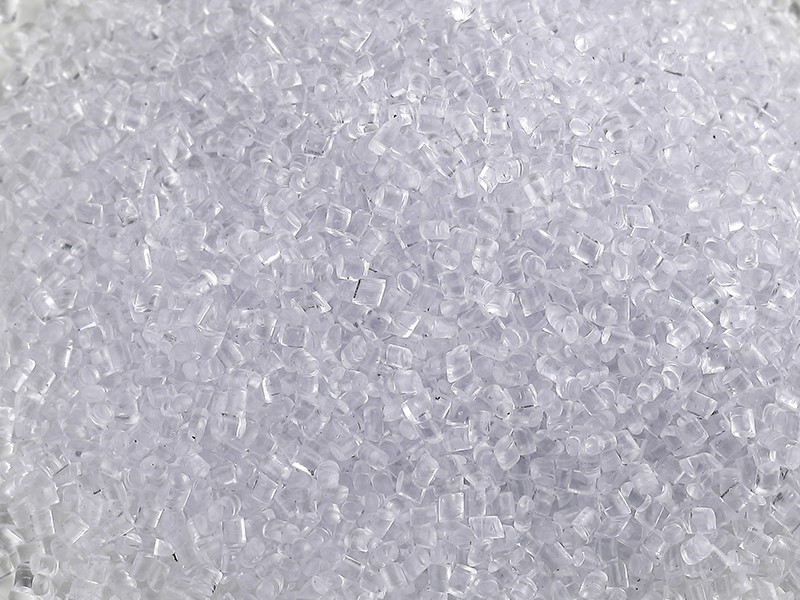
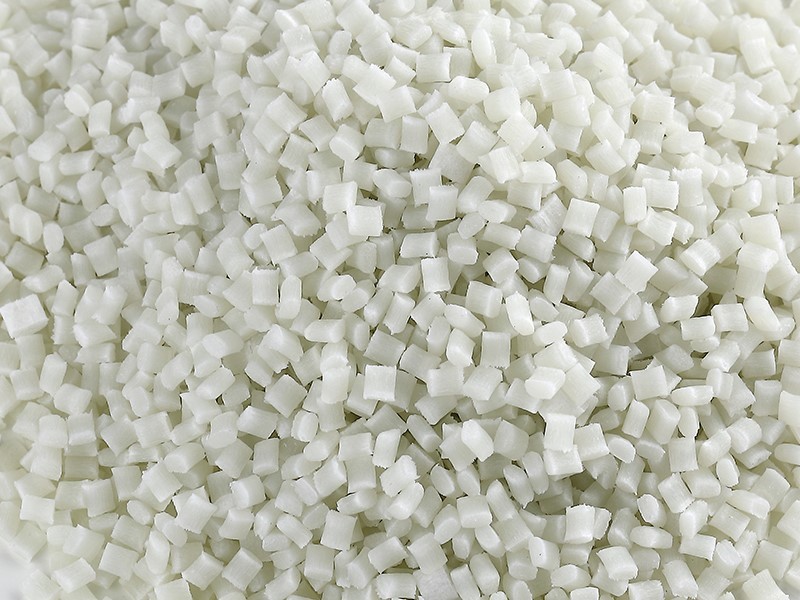
The main materials commonly used for bags are:
AYPE:
Low Density Polyethylene has a low melting point and produces transparent bags. Therefore, they are perfect for fresh vegetables and fruits.
LLDPE:
Low density polyethylene is similar to LDPE but less thick. Therefore, it is ideal for freezing food bags. Since it is FDA approved, it is technically recommended. Moreover, this material makes it easy to heat seal the spout pouch and then provide a tamper-evident seal to the product.”
HDPE :
High density polyethylene is lightweight and waterproof. It has excellent tensile strength.
PP:
Polypropylene is more transparent than LLDPE. It also has a higher melting point than LLDPE. PP Bags are mostly produced for candy and snack packages.
Note: Manufacturers may combine two or even three materials to achieve the best structure for bags.
3- What are the sectors that depend on plastic bags?
There is a wide variety of products that rely on plastic bags for packaging, such as:
Farm products such as seeds, pesticides and fertilizers
Household products, detergents and kitchen supplies
foods such as spices, fruits, vegetables, and meat
Cosmetics such as creams, lotions and shampoos
Candies and snacks.
Beverages such as coffee, Nescafe, tea.
pet food
Let’s explore why:
In cosmetics, the pouches are perfect for packaging and retailing
For pet food, they use bags to package pet biscuits, bird seed, and horse chews. They are long lasting when stored.
Food industries use bags for many types of foods, including grains, nuts, meat and fish.
The pharmaceutical industry depends on sachets to produce medical drugs.
4- How do you choose the perfect pouch for your packaging needs?
First you need to discover which type of flexible bags suit your packaging needs.
Second, you should consider some variables to choose the perfect option:
The product weighs
Size of the product
Width and height
Finally, you can collaborate with packaging vendors to help you choose the perfect bags that fit your budget.
5- What are the types of flexible bags?
Plastic bags are highly competitive; They can be customized in size, shape and material. That’s why you can find many types of plastic bags in the packaging market.
The most commonly used flexible bag types are:
1- Stand Up Bags:
Flexible stand-up bags are the most commonly used. It opens easily and usually has a spout that allows you to use the products.
The name “Stand Up” refers to the oval-shaped pocket you can find at the bottom of the pouch.
This type is perfect for many foods such as chips, cookies, powders and crackers.
If you are looking for affordable bags for your products, these bags will be your first choice.
2- Medium exit bags
It is a flat pouch used to package sauces, personal care products, spices and oils.
3- Liquid bags
A bag with a three-side seal is made to contain liquids.
They offer a lower carbon footprint and lower cost than hard plastic containers.
They are environmentally friendly and can be printed with catchy designs.
4- Gusseted bags
Gusset bags come in two types: bottom gusset bags and side gusset bags.
The side gusset pouch has a semi-oval shape with indentations on both sides. The result is a rectangular or square base.
It will be ideal for food packaging products that need to maintain their freshness for a long time.
For example, coffee is one of the products that should emit a pleasant scent.
Bottom gusset bags are generally larger and can hold more product.
6- How to buy the best quality plastic bags?
There are 3 main variables to consider when choosing a plastic bag:
Barrier properties against moisture and oxygen
sealing properties as you need to expose them to pressure flow.
You should choose the raw material that best suits your needs.