
 Türkçe


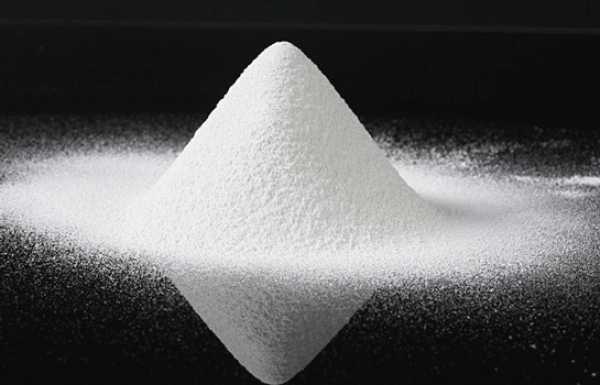

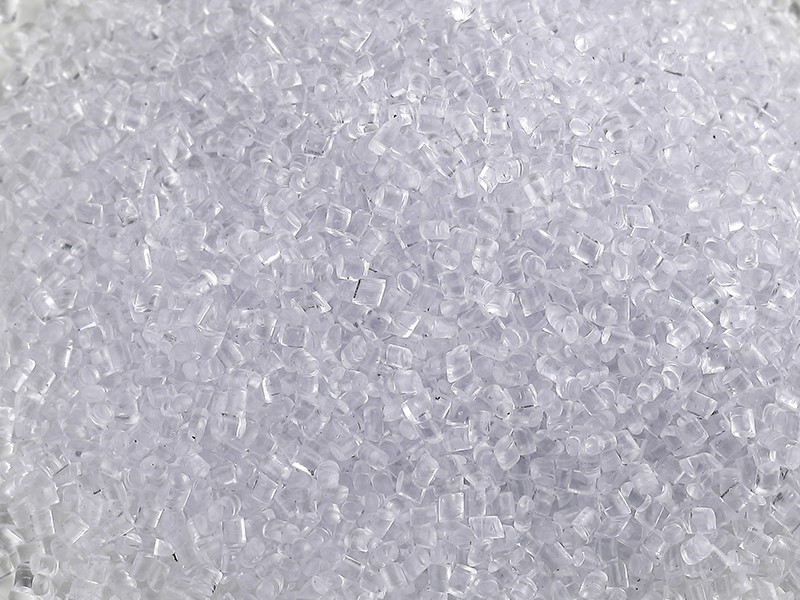

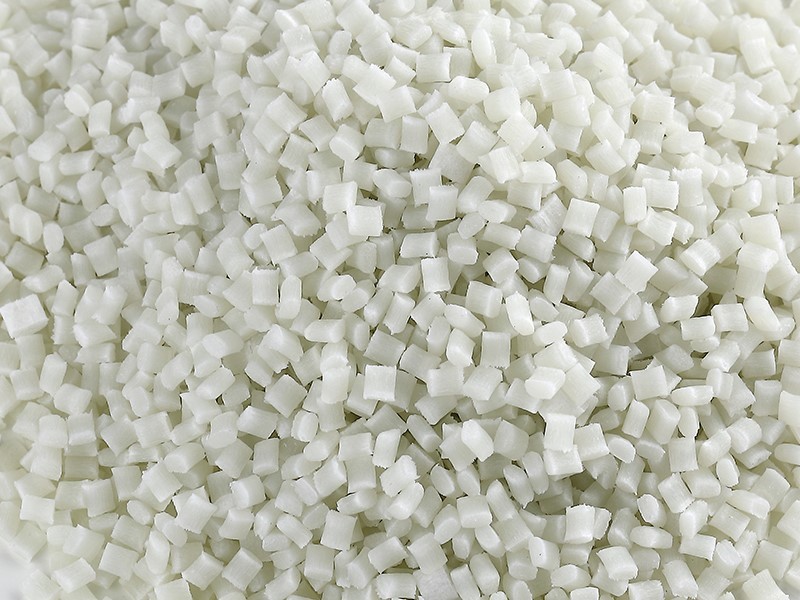






PET (Polyethylene Terephthalate) and PETG (Polyethylene Terephthalate Glycol) are thermoplastics. They are both transparent and widely used in many applications.
The increasing demand for PETG materials is becoming remarkably interesting. The global PETG market will grow from $2.7 million in 2023 to $3.8 million in 2033, at a compound annual growth rate of 3.3%.
In this article, we will examine how PET and PETG are technically different.
Our full comparison will cover all of the following questions:
What is PET?
What is PETG?
What are the advantages of PETG?
What are the main differences between PET and PETG?
What are the main applications of PET and PETG?
GAP Polymers Guide for basic properties of PET and PETG
1- What is PET?
Polyethylene Terephthalate is a durable and strong material that makes it ideal for packaging applications, especially bottles. When we say pet, we automatically complete the word “bottle”.
As a material, it is known for its transparency, chemical resistance and high strength.
These unique properties make “PET” the most common plastic material in the world.
In 2022, the global PET market size stood at $44.30 billion and is expected to exceed $90 billion at a CAGR of 9.5% between 2023 and 2030.
2- What is PETG?
Have you ever wondered about that extra letter “G”? How could this letter influence one of the two options?
This “G” stands for “GLYCOL”. It becomes a different material with different uses. During production processes, it becomes a thermoplastic polyester that provides high chemical resistance and formability.
Glycol prevents most PET problems such as cloudiness, brittleness and overheating. Resistance to chemicals and lack of odor make PETG the best for 3D printers.
This amazing copolymer combines the properties of glycol and PET. This will reduce the overheating issues manufacturers face with PET.
3- What are the advantages of PETG?
PETG offers a wide range of advantages; Let’s examine them in depth:
PETG is safe for food contact. It can be used in the production of beverage bottles and food containers.
It is easily shaped and colored. It can withstand high pressure without cracking. It can be easily extruded into plastic sheets.
When it comes to coloring, you can easily swatch and mix to get a variety of looks.
In terms of recyclability, PETG is fully recyclable, which can reduce environmental impact.
In addition to being strong, PETG is also a cost-effective material.
It is easy to make the best prototypes and models with PETG printing.
You can use PETG in outdoor applications due to its UV resistance.
4- What are the main differences between PET and PETG?
‘G’, meaning glycol, is added to “PET” at the molecular level to provide different chemical properties. The main differences between PET and PETG are:
1- Flexibility:
Flexibility is the main difference between the two materials. PETG is more flexible than PET. The addition of glycol to PETG makes it less brittle and soft than PET.
This is why PET is perfect for applications that require hardness and high strength. PETG, on the other hand, is ideal for durable and flexible applications.
2- Recyclability:
Since PET and PETG have the same properties, they are recyclable. To be fair enough, PETG is more environmentally friendly. PETG production processes require less energy and resources.
3- Transparency
Both materials are transparent. PETG is slightly opaque, while PET is more transparent. This makes PET perfect for packaging as transparency is required.
4- Mechanical properties
PET is a semi-crystalline material that is generally harder than PET. PETG is an amorphous material. This is why PETG is more flexible than PET.
5- Thermal properties
PETG’s crystal structure makes it resistant to higher temperatures, while PET has greater thermal resistance.
6- Prices
PET and PETG are both affordable. The only difference is that you will find PETG in different colors compared to Polyethylene Terephthalate (PET). On the other hand, PET is chosen when hardness is required.
5- What are the main applications of PET & PETG?
PET Plastic Applications:
Polyethylene Terephthalate is mainly used in packaging applications such as:
plastic bottles
Mineral water
Acidic, non-alcoholic drinks
Tape applications
thermoformed sheets
food packaging
Cosmetic applications
Electronic
PETG Plastic Applications:
The main application of PETG is 3D printing. PETG filaments offer unique properties such as strength, impact resistance and flexibility.
PETG is perfect for large and large prints due to its low shrinkage properties; It is even better than ABS (ACRYLONITRILE BUTADIENE STYRENE) and PLA (Polylactic Acid). It can also be used in food safety applications that require high temperatures.
Besides these main applications, you can find PETG in more applications such as:
Medical applications packaging
Beverage containers for cooking oils, drinking water and soda
Shopping Mall Displays and stands thanks to easy coloring
Machine protection covers