
 Türkçe










Thermoplastic vs Thermoset: what are the differences and which one should you choose for your application? Thermoplastics and thermosets sound very similar, they are both polymers, but they have various properties and different production methods.
Complete this article to learn the answers to these questions:
What are the main differences between thermoplastics and thermosets?
Can thermoplastics and thermosets be recycled?
What about the injection molding process for thermoplastics and thermosetting?
How are thermosets and thermoplastics produced?
Can Thermoplastics and Thermosets be repaired?
How can thermoplastics and thermosets be used in daily life?
What are the pros and cons of thermoset plastics?
What are the pros and cons of thermoplastics?
Which are stronger thermoplastics or thermoset plastics?
What are examples of thermoplastics and thermosets?
1. Thermoplastic VS Thermoset
What are the main differences between the two polymers?
Polymers are divided into two groups: Thermoplastic and Thermoset. Here are the 5 Main differences between them:
synthesizing
Thermoplastics depend on the “addition polymerization process.”
Thermosetting depends on the “condensation polymerization process”.
Processing
Thermoplastic can be processed by injection & rotational & blow molding and extrusion processes.
Thermosetting Plastic can be processed by reaction injection and compression molding.
bond shape
Thermoplastic bonds are secondary between molecular chains.
Thermosetting plastics are primary among molecular chains.
Melting point
Thermoplastics have low tensile strength and low melting points.
Thermoset plastics have high tensile strength and high melting points.
molecular weight
The molecular weight of thermoplastics is lower than Thermoset plastics
Now that you know the basic differences between them, it’s time to answer the most important questions about these types of plastic.
2. How are thermosets and thermoplastics produced?
Thermoset Manufacturing
The thermoset manufacturing process depends on liquid molding processes. Manufacturers fed polymers and other substances into tanks and vats, then heated and mixed them.
They then put them into the mold cavity. The material then goes through the curing process, which prevents the risk of the material melting. The final step is to subject the final product to high heat, which makes thermoset plastics suitable for high heat applications.
Thermoplastic Manufacturing
Injection molding is the main method of thermoplastic production. There are many standard processes you can use to produce thermoplastics, such as extrusion, molding, grinding, welding, etc. Plastic Injection molding is still the most efficient way to produce high quality thermoplastic for both low and high volume production.
3. What about the injection molding process for thermoplastics and thermosetting?
Thermoplastic parts are widely used for consumer plastics, such as the plastic used in milk bottles; Let’s see which one is better for plastic injection molding:
Thermoplastic polymers can be melted easily and are also easy to inject into a mold to create new parts. You can then wait until this part has cooled, then open the mold to remove the part.
In thermoset injection molding, you need to inject cold material into a very hot mold to create a new part, but it will be very difficult to melt that part again.
4. Can thermoplastics and thermosets be recycled?
True to its properties, thermoplastic bonds are secondary among its molecular chains, so you can easily heat and reshape it to produce new shape or new design.
Thermoplastic materials are highly recyclable as they can be easily shaped into any form.
Unlike thermosets, which cannot be recycled due to their structure, they have a cross-linked structure and have high tensile strength.
5. Can Thermoplastics and Thermosets be repaired?
While thermoplastic cracks can be easily repaired, thermosetting cracks are difficult to repair. While thermoplastics consist of elastic amorphous regions in a solid state, thermoset is a reinforcing fiber in the same state.
6. How can thermoplastics and thermosets be used in daily life?
Thermoplastic polymers are widely used in the production of a wide variety of applications such as carpets, piping systems, car batteries, gas filters and ropes.
Now let’s get to know thermoset polymer applications; You can find thermosets in electrical components, heat shields, motor components, and insulators.
7. What are the pros and cons of thermoset plastics?
Thermosetting has many advantages, such as heat resistance. They have good electrical insulation properties. It has resistance to corrosion and good dimensional stability. They also provide cost savings because their tools are cheaper than thermoplastics and require less expensive installation. A wide variety of surface finishes and colors are also available.
When it comes to thermoset cons, they cannot be recycled or reshaped as we mentioned.
8. What are the pros and cons of thermoplastics?
Let’s start with the pros of thermoplastics, they are resistant to detergents and chemicals. They have good electrical insulation. It has high impact and corrosion resistance. Thermoplastics can be reshaped and recycled.
Thermoplastics have several disadvantages, such as being more expensive than thermoset polymers and not being suitable for every application because they become softer when exposed to heat.
9. Which are stronger thermoplastics or thermosetting plastics?
Thermoset plastics generally have high strength and offer dimensional stability. It does not soften due to its strong cross-links. Thermoplastics are softened by heating.
10. What are examples of thermoplastics and thermosets?
Thermoplastics
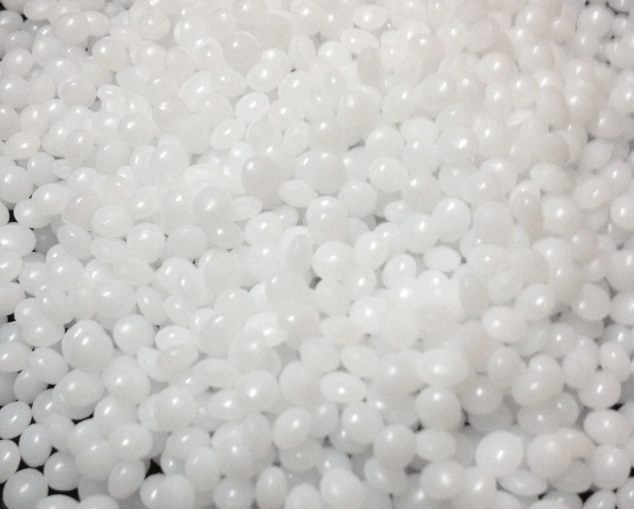
Thermoplastics represent plastic materials that turn into a soft form at a certain temperature and then become solid when cooled.
There are many examples of thermoplastics such as Polyester, Polypropylene (PP), Polystyrene (PS), Teflon and acrylic.
thermoset
Thermoset plastics can be stored in liquid form. Thermosets include polyurethane (PU), EPOXY, silicone and phenolic. Each material offers unique advantages. For example, phenolics are flame resistant, while epoxies are chemical resistant, hard and elastic.